Three cities in Asia function as serious destinations for a custom suit: Hoi An, Bangkok, and Hong Kong. Each has a distinct tailoring culture, a distinct price market, and a distinct way of treating the customer. They are not interchangeable — choosing between them is choosing between three different products that happen to share a category. This guide is an honest read on each city's strengths and trade-offs in 2026, written by a Hoi An tailor who has spent enough time in all three to call the differences specifically. Disclosure is at the bottom of every page on this site.
The short version: Hoi An is the value sweet spot, Bangkok is the speed and volume option, Hong Kong is the premium-craft option. The longer version, which is what you actually need to choose well, is below.
Hoi An: The Value Sweet Spot
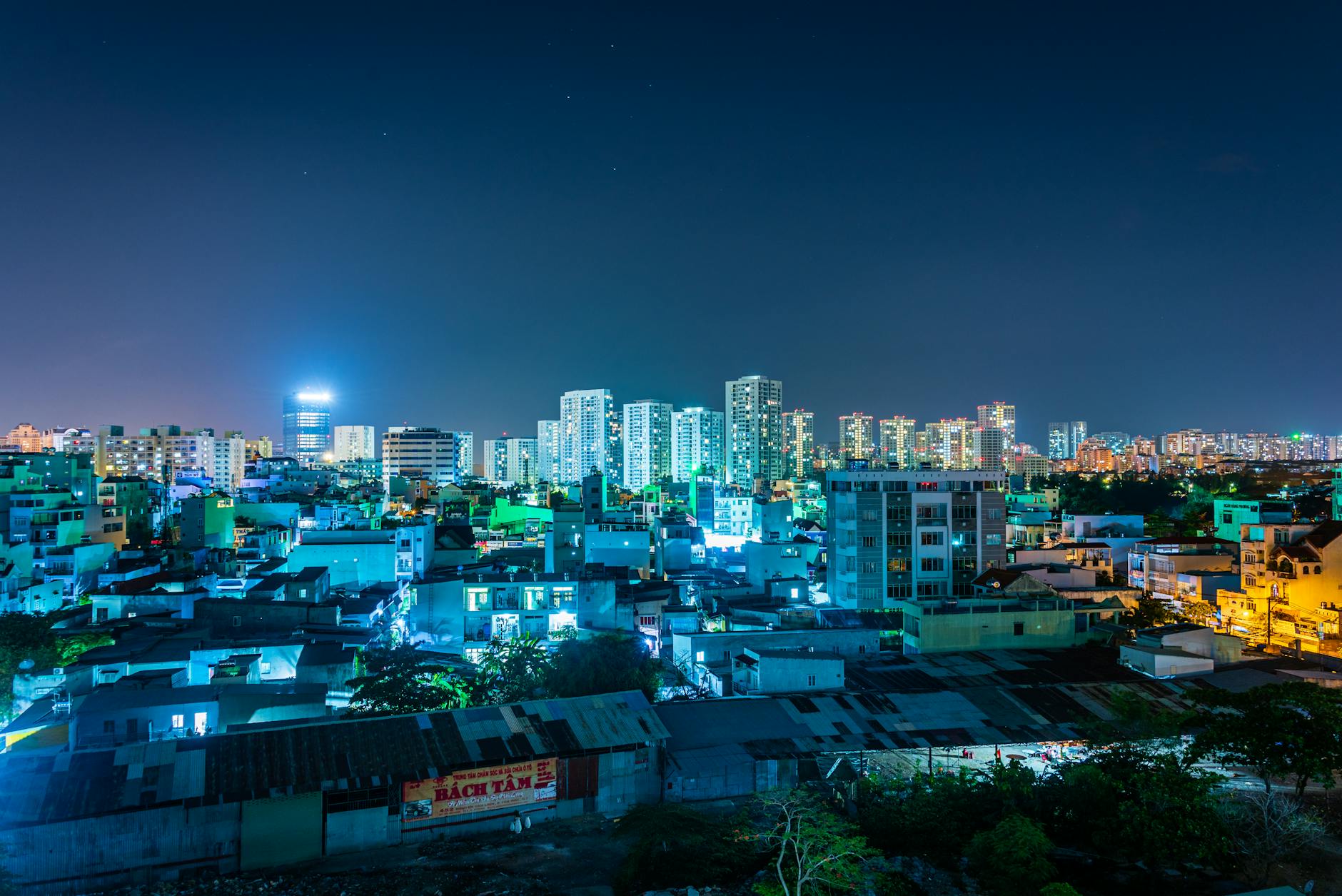
Hoi An's tailoring scene grew out of a centuries-old silk trading port that absorbed Chinese, French, and Japanese influences across its history. The modern tailoring industry took shape in the post-1990s tourism boom, scaled rapidly in the 2000s, and now operates roughly 400 active shops within the Old Town and immediate surrounds. The city is small — most shops are within a 10-minute walk of each other — and the riverfront atmosphere is the reason people come back to do their tailoring here even when they live in Bangkok.
What Hoi An does well
Walking-distance convenience. The entire tailoring district fits inside a 15-minute walk. You can compare three or four shops in an afternoon, handle the fabric, and pick your tailor with eyes-on data rather than just Google reviews. Bangkok's tailoring is spread along Sukhumvit and into Silom, requiring tuk-tuks and patience. Hong Kong's is in compact buildings in Tsim Sha Tsui and Central but each shop is more of an appointment-only experience.
Genuinely competitive mid-market pricing. A real-wool, two-fitting, full-canvas-construction suit in the $200–$350 range is the Hoi An sweet spot. Equivalent quality in Bangkok runs roughly the same; equivalent quality in Hong Kong runs $700–$1,200. The "Hoi An is cheap" narrative is real but slightly misleading — Hoi An is not cheaper than Bangkok at the mid-market tier, it is just better-organized at that tier.
Lower push-sell intensity than Bangkok. The Hoi An tailoring scene is small enough that reputation matters and shops cannot easily disappear into the crowd. Most Hoi An tailors will not pressure you into ordering on day one — they will let you handle fabric, leave, and return. Bangkok's Sukhumvit shops, particularly the Indian-Thai operations, are far more aggressive about closing on the first visit.
Atmosphere. This is not a tailoring point, but it is the reason couples and groups choose Hoi An over Bangkok or Hong Kong for the experience. The Old Town is UNESCO-listed, the lantern-lit riverfront is genuinely beautiful, and the four-day fitting cycle is a vacation, not a logistics exercise. People plan honeymoons around their Hoi An tailoring trips. They do not plan honeymoons around Bangkok shopping.
Where Hoi An is weaker
Volume and turnaround for large parties. If you are outfitting a wedding party of 15+ people in a 4-day window, Hoi An shops have to scramble. Bangkok and Hong Kong have larger workshops with deeper bench. Some Hoi An shops can scale (Yaly Couture, Kimmy Tailor handle this well), but most cannot.
Limited true-bespoke availability. Hoi An's market is overwhelmingly premium MTM. Hong Kong has a small concentration of genuine bespoke ateliers; Hoi An has perhaps a handful, and they are not heavily marketing themselves to tourists. If you specifically want a basted-fitting, hand-padded-canvas, paper-pattern bespoke experience, Hong Kong is the better destination.
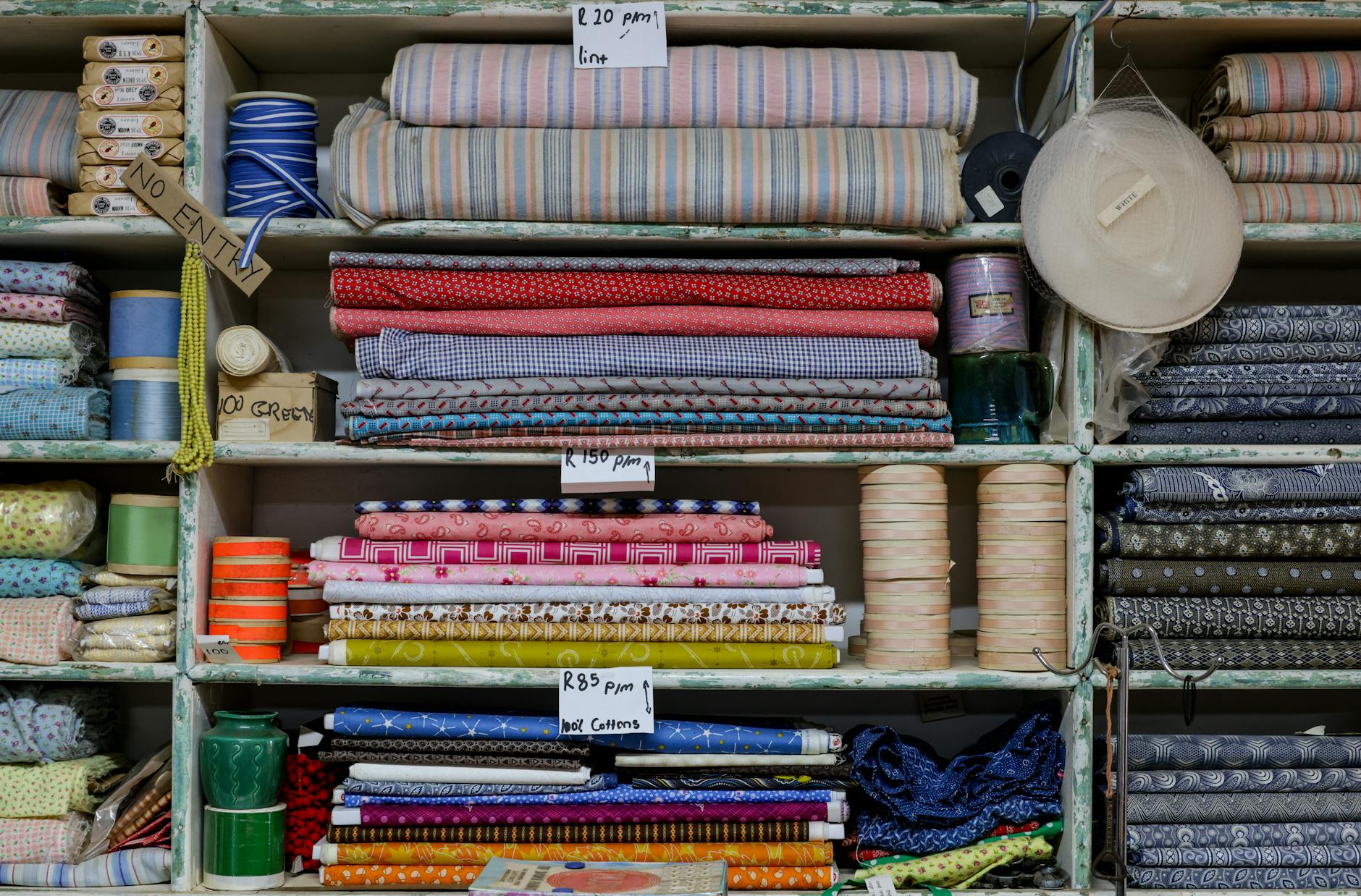
Tier 1 fabric depth. The premium Italian and English mills (Loro Piana, Holland & Sherry, Dormeuil, Scabal) are stocked at upper-tier Hoi An shops, but the depth — the breadth of patterns, weights, and seasonal variations — is shallower than at top Hong Kong houses. If you want to choose between fifteen variations of Holland & Sherry tweed, Hong Kong has more in stock.
Hoi An typical pricing in 2026
- $50–$100: Polyester-blend tourist-trap tier. Avoid.
- $129–$199: Wool-blend, half-canvas, two-fitting honest entry tier.
- $200–$350: Pure wool from named Italian mill (VBC, Reda, Marzotto), full or half-canvas, three fittings. The mid-market sweet spot.
- $400–$600: Premium Italian fabric (Super 130s, Loro Piana entry), full canvas, hand-finished details.
- $700–$1,200: British-mill cloth (Holland & Sherry, Dormeuil), upper-tier shops.
Bangkok: Speed, Scale, and the Push-Sell
Bangkok's tailoring scene is older and larger than Hoi An's by an order of magnitude. The bulk of the customer-facing operations are concentrated along Sukhumvit Road (BTS Asok to Phrom Phong), with a secondary cluster in Silom and Khao San Road. Many of the shops are run by Indian-Thai families (descendants of South Asian textile merchants who arrived in Thailand in the 19th and early 20th centuries) and operate with a different cultural sales rhythm than the Vietnamese family shops in Hoi An.
What Bangkok does well
Speed. Bangkok shops will routinely deliver a two-piece suit in 24–48 hours. Hoi An typically wants 3–4 days for proper tailoring; Hong Kong wants 7–14 days for premium work. If you have a 36-hour stopover and need a suit, Bangkok is the city. The cost is fewer fittings and slightly looser fit, but for a serviceable wool blend at $150–$250, Bangkok delivers.
Volume capacity. The larger Bangkok operations have workshops of 20–40 craftspeople each. They can handle a wedding party of 25 in a 3-day window without breaking pace. The fitting culture is more transactional but the production capacity is real.
Premium-tier ateliers exist. A handful of Bangkok shops — Raja Fashions, Universal Tailor, Rajawongse, Tony the Tailor — operate at genuine premium quality with stocked British and Italian mill cloth, multiple fittings, and senior cutters. They price at $400–$800 for a two-piece, comparable to upper-tier Hoi An.
English fluency. Bangkok tailoring shops have been catering to English-speaking expats and travelers for 50+ years. The language fluency depth is a step above Hoi An on average, particularly when discussing technical fitting requests.
Where Bangkok is weaker
The push-sell. This is the consistent complaint about Bangkok tailoring. The aggressive closing culture along Sukhumvit — multi-suit packages presented as discounts, free shirt and tie deals, "today only" pricing pressure — is much heavier than Hoi An. Customers report walking into a shop intending to look at fabric and leaving with a $1,400 commitment. The good Bangkok shops do not work this way; the volume of bad shops makes the city's reputation suffer.
Fewer fittings. Bangkok's speed advantage comes at the cost of fitting depth. Many Bangkok shops do one fitting at the rough-cut stage and call the suit done. Hoi An typically does two; the better Hoi An shops do three. The fit difference is visible. A Bangkok 24-hour suit will look acceptable in photos but will reveal compromises (slightly off shoulder slope, slightly off lapel roll) under close inspection.
Geographic dispersal. The good shops in Bangkok are not in one walkable district. Comparison-shopping requires tuk-tuks, BTS rides, and time you might not have on a short trip.
Less of an "experience". Bangkok is many things — the tailoring district is not its scenic best. Couples doing a fitting trip will likely prefer the riverfront-and-lantern atmosphere of Hoi An over the Sukhumvit air-conditioner-and-traffic experience of Bangkok.
Bangkok typical pricing in 2026
- $80–$150: Polyester-blend tourist-trap tier, common along Sukhumvit. Avoid.
- $150–$250: Wool-blend, one or two fittings. The volume tier.
- $250–$400: Pure wool, named mill at upper end, two fittings. Mid-market.
- $400–$700: Premium ateliers (Raja, Universal, Rajawongse), pure wool, multiple fittings, deeper fabric library.
- $800–$1,500: Top-tier Bangkok shops with British/Italian mill cloth.
Hong Kong: Premium Craft, Premium Price
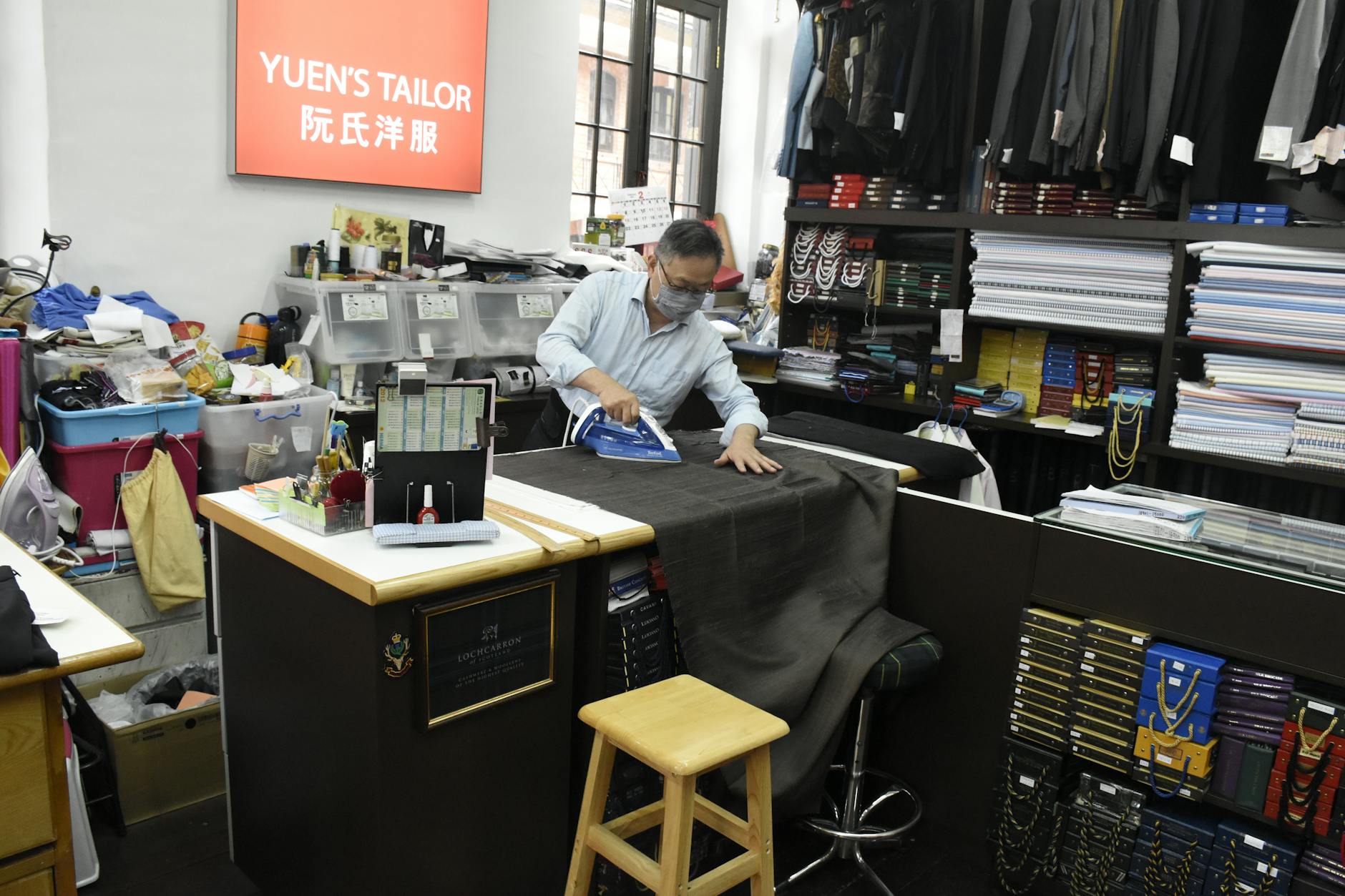
Hong Kong's tailoring tradition is the most prestigious in Asia. Many of the senior cutters in the long-established houses trained directly on Savile Row in the post-war period, brought the Row's bespoke methodology back to Hong Kong, and built a community of ateliers that operate genuinely at international bespoke standard. The cluster is in Tsim Sha Tsui (Mirror, Star, and adjacent streets) with secondary presence in Central. Sam's Tailor, W.W. Chan, A-Man Hing Cheong, Ascot Chang, and a dozen others form the core of this scene.
What Hong Kong does well
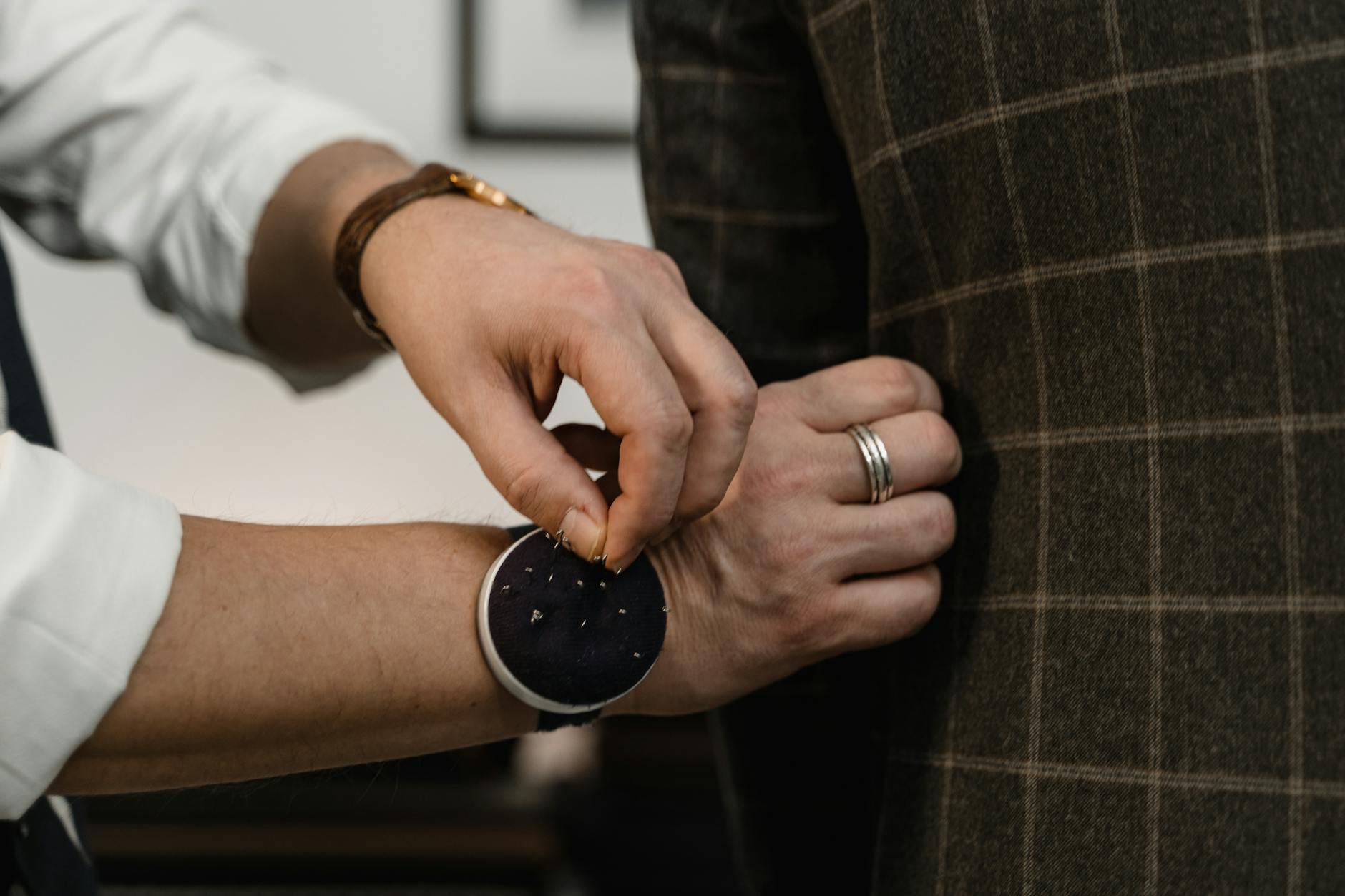
True bespoke is genuinely available. The four signals of true bespoke (paper pattern individually drafted, basted fitting, hand-padded canvas, hand-stitched buttonholes throughout) are present at the top Hong Kong houses. This is a different product than what most Hoi An or Bangkok shops deliver. The fit precision, lapel roll, chest shape, and longevity are measurably superior.
British and Italian mill depth. The fabric libraries at the top Hong Kong houses include Holland & Sherry, Dormeuil, Scabal, Loro Piana, Vitale Barberis Canonico, and the rarer mills (Lessona, Smith Woollens, Marling & Evans) that you will rarely find in Hoi An or Bangkok. The breadth of stocked patterns and weights is the deepest in Asia.
Senior-cutter consistency. The top Hong Kong houses are run by master cutters who personally measure and supervise the build of each customer's suit. There is no junior-cutter-on-a-busy-day variance the way there can be at multi-branch Hoi An or Bangkok operations.
International shipping and follow-up. Hong Kong shops have served global business clients for decades. Their remote service infrastructure — keeping your pattern on file, accepting reorders by email, shipping internationally — is the most mature in Asia.
Where Hong Kong is weaker
Price. The Hong Kong premium is real. A two-piece bespoke suit at a top Hong Kong house runs $1,500–$3,500. A premium MTM at the same houses runs $800–$1,500. This is 3–5x the equivalent Hoi An tier. Whether the price is justified depends entirely on whether your eye and your wear pattern can use the additional precision.
Less of a "destination" experience. Hong Kong tailoring is a series of appointments in commercial buildings. There is no romantic backdrop. The city is wonderful but the tailoring experience is industrial in tone compared to Hoi An.
Time required. True bespoke takes 7–14 days minimum (often 3+ weeks for a fully bespoke pair) with multiple fittings spaced apart. A weekend trip cannot complete a true bespoke order. Hong Kong shops will do MTM on faster turnaround, but the value proposition — paying Hong Kong prices for MTM — is questionable. The reason to come to Hong Kong is bespoke specifically.
Shrinking pool of true masters. The Savile Row-trained generation of Hong Kong cutters is aging. Several houses have lost their master cutter in the last decade and are struggling to maintain quality through generational transition. The named houses are still reliable, but verify with recent reviews — a 2018 review of W.W. Chan or Sam's is not necessarily reflective of 2026 quality.
Hong Kong typical pricing in 2026
- $400–$700: Entry-tier Tsim Sha Tsui shops, MTM with mid-tier wool. Better value found in Hoi An at this price.
- $800–$1,500: Premium MTM at named houses, named-mill fabric, multiple fittings.
- $1,500–$2,500: True bespoke at the named houses, paper pattern, basted fitting, hand work.
- $2,500–$3,500+: Top-tier bespoke with rare-cloth fabric (Loro Piana vicuña, Holland & Sherry exclusive ranges).
How to Choose
The decision frame that makes this easiest:
Choose Hoi An if: you want excellent value mid-market tailoring, you want a 3–4 day experience that doubles as a vacation, you are not committed to true bespoke, you are comfortable with premium MTM, and you appreciate walking-distance shop comparison.
Choose Bangkok if: you have a stopover or short trip and need fast turnaround, you are outfitting a large wedding party that needs volume capacity, you are confident enough to push back on the sales pressure, or you have already identified a specific premium Bangkok atelier (Raja, Universal, Rajawongse) by name.
Choose Hong Kong if: you specifically want true bespoke and have $1,500+ to spend on a single suit, you want the deepest possible fabric library, you have an unusual body shape that benefits from individual paper pattern drafting, or you are a frequent business traveler who can spread fittings across multiple Hong Kong trips.
What This Looks Like for Specific Scenarios
Some honest worked-example calls:
"I'm a 32-year-old getting married in 4 months and need a wedding suit and 6 groomsman suits." Hoi An. Mid-market shop, $250 per suit including fitting, three fittings each, and your wedding party gets to combine the trip with a vacation. We do a lot of these and Yaly and Kimmy do too.
"I'm a banker spending 2 nights in Bangkok and need a workhorse navy suit." Bangkok at one of the named premium ateliers (Raja Fashions or Rajawongse), $400–$600, two fittings inside 36 hours. Skip the Sukhumvit walk-in shops.
"I want my first true bespoke suit and I have the budget for it." Hong Kong, top-tier house, $1,500–$2,500, plan a full week or two trips. This is where bespoke is genuinely available in Asia.
"I want a suit for my honeymoon photos in Vietnam." Hoi An, full stop. The atmosphere matters more than the construction in this scenario, and Hoi An wins on atmosphere by miles.
"I cannot visit Asia at all but I want a custom suit." Remote ordering. Several Hoi An shops including ours run online workflows with self-measurement apps and Telegram consultations. Hong Kong shops will also serve remote, typically at higher prices.
The Underlying Truth
The quiet truth of Asian tailoring, which most travel guides miss, is that the three cities are not really competing for the same customer. Hoi An, Bangkok, and Hong Kong serve different needs at different price points with different cultural rhythms. The interesting comparison is rarely Hoi An vs Bangkok vs Hong Kong on a single transaction — it is whether the kind of suit you want is best built in a four-day Old Town fitting cycle, a 36-hour Sukhumvit sprint, or a multi-week Tsim Sha Tsui bespoke process.
Pick the city for the kind of garment, then pick the shop within the city for the kind of relationship. Done in that order, the decision is not difficult. Done in the wrong order — comparing a Hoi An $250 mid-market suit to a Hong Kong $2,000 bespoke and concluding Hoi An is "cheap" — is what causes most of the bad outcomes that show up in online reviews.