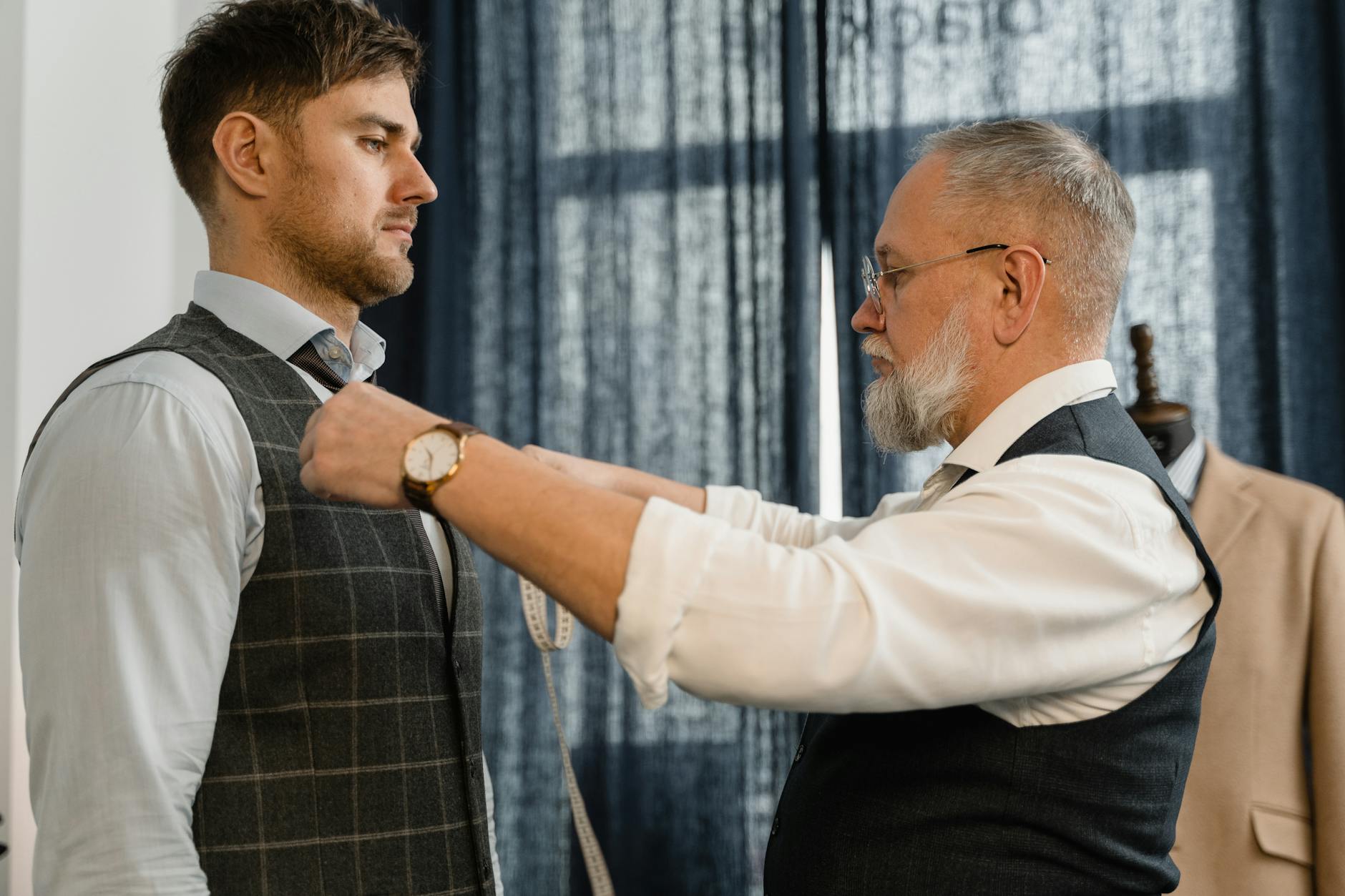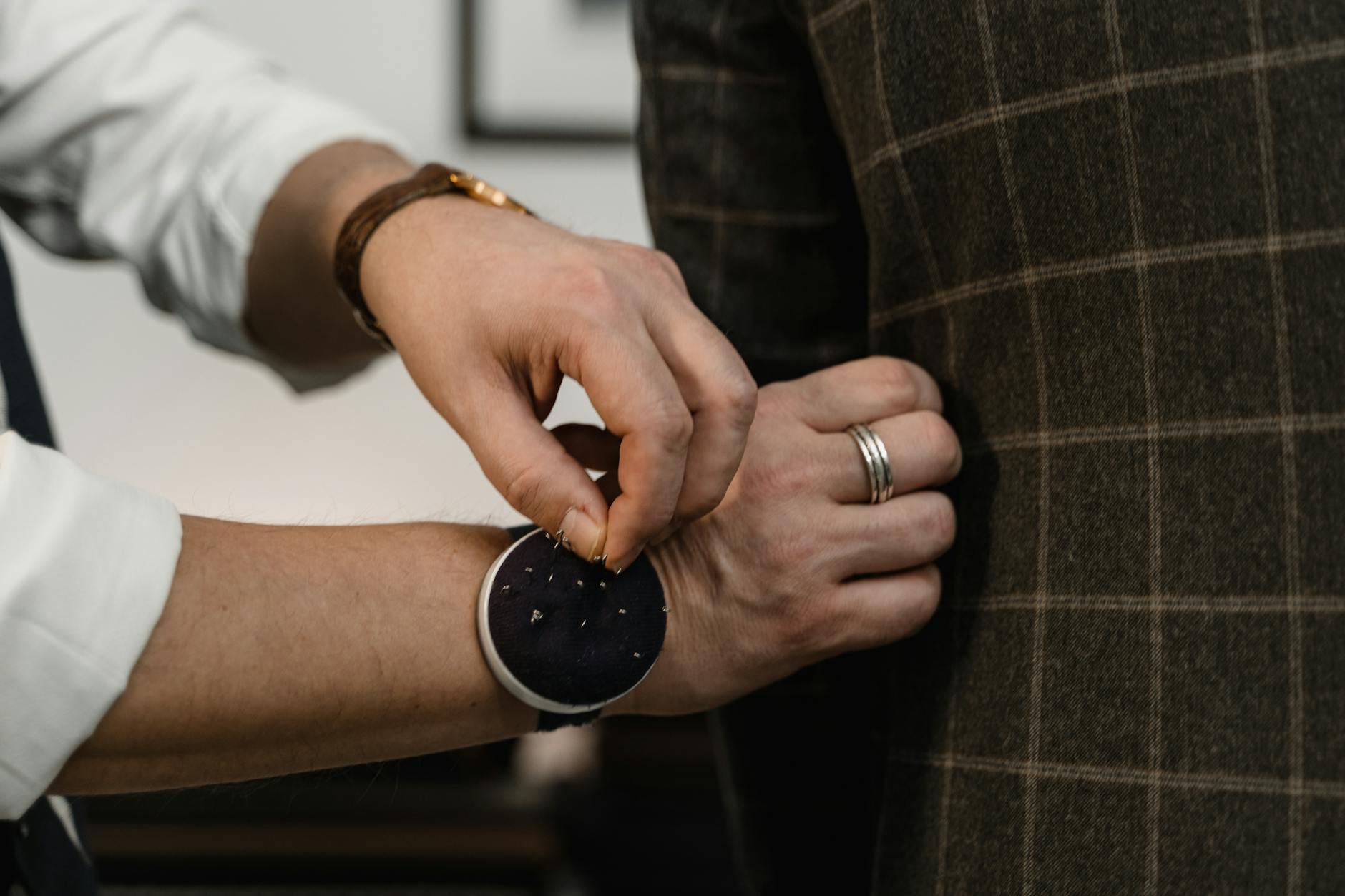
A well-made custom suit from a serious Hoi An tailor — full canvas, real wool, hand-finished — has a structural lifespan of fifteen to twenty years. The fabric can last that long. The canvas can last that long. The construction can last that long. Almost no one's suit actually does, and the reason is care, not construction. The typical suit retires at five years not because it has failed but because the owner hung it on a wire hanger, dry-cleaned it eight times a year, stored it in a plastic bag, and folded it badly into too many suitcases. Care is what separates a five-year suit from a fifteen-year one. The good news is that the care routine is simple, takes about two minutes per wear, and once it is habit you stop thinking about it. The bad news is that almost no shop tells you what the routine is, because they assume you already know.
This guide is the routine. It is written for someone who has just received their first Hoi An suit and wants the one that lasts. None of it is exotic. Most of it costs less than $30 in one-time supplies. All of it adds up.
Hangers: The Single Most Important Decision
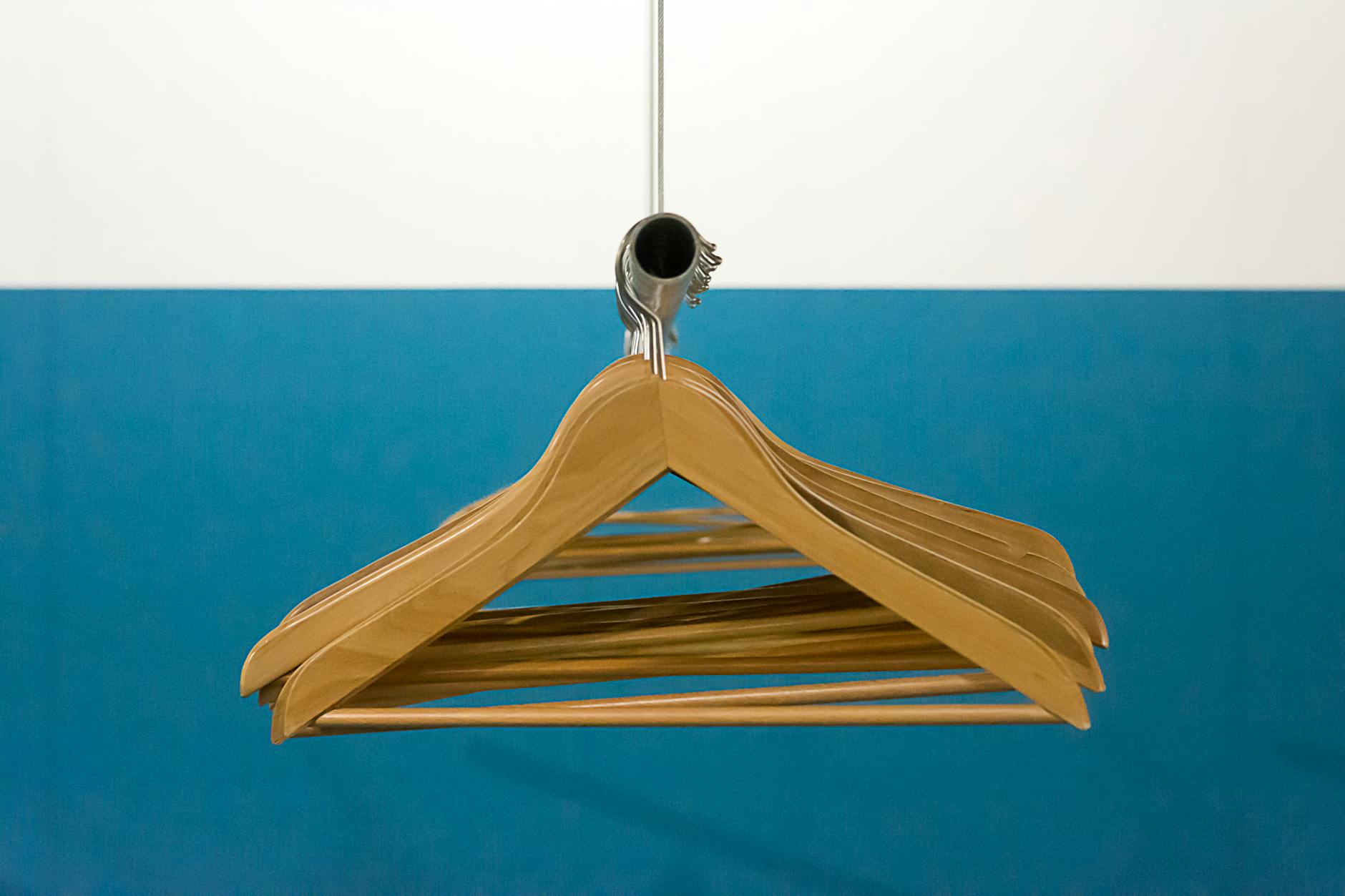
If you take only one piece of advice from this guide, take this. The hanger your suit hangs on between wears does more to determine its lifespan than every other care decision combined. The shoulder line of a tailored jacket is the most carefully constructed and most fragile part of the entire garment — built from interfacing, padding, canvas, and cloth, all sewn into a specific three-dimensional shape that the cutter spent hours achieving. The hanger either preserves that shape or destroys it.
What you want: A wide wooden hanger, contoured to match the shoulder slope, at least 17 to 19 inches across (43–48 cm) for a standard men's jacket. The shoulders of the hanger should be thick — at least an inch (2.5 cm) at the widest point — and shaped with a slight forward curve. A trouser bar with a non-slip grip below for hanging the trousers folded along the crease, not by the waistband.
What to avoid:
- Wire hangers from the dry cleaner. The thin wire creates a single pressure point at the shoulder edge that, over months, deforms the canvas and creates a permanent dimple. Throw them out the day they come home.
- Narrow plastic hangers. Same problem as wire, less obvious because the plastic is thicker. The shoulder of the hanger is still narrower than the shoulder of the jacket, so the canvas drapes off the hanger in a way it shouldn't.
- Velvet-flocked thin hangers (the popular non-slip kind). Fine for shirts. Wrong for jackets — they're narrow enough that a heavy wool jacket pulls the shoulder downward over time.
- Hanging trousers by the waistband cuff. This stretches the waistband and pulls the seat out of shape. Trousers should hang folded along their crease, weight distributed evenly along the bar.
A good wooden suit hanger costs $8 to $20. Buy one for each suit. The $30 you spend up front is the highest-leverage care investment you will make.
Resting: The Rule of 24–48 Hours
A wool suit needs to rest between wears. This is not a folk belief; it is structural. Wool fibers absorb moisture from your body during a day of wear (perspiration, ambient humidity), they stretch slightly under that moisture, and they need time hanging on the hanger to return to their original shape. Wearing the same suit two days in a row, especially on heavy travel days or in summer humidity, prevents that recovery. The trousers stretch at the seat and knee, the jacket stretches at the lapel and elbow, and over months the cumulative deformation becomes permanent.
The rule of thumb in better menswear: 24 to 48 hours of hanging time between wears. In practice, this means owning at least two and ideally three suits if you wear a suit every day, or rotating any given custom suit no more often than two or three times a week. If you only own one custom suit and wear it weekly, it gets six full days of recovery between wears, which is more than enough.
The rest period also gives any micro-spots or food residue you didn't notice during the day a chance to oxidize visibly so you can spot-clean before the next wear. Hanging a worn suit immediately back in the closet without inspection is how a small mark becomes a permanent stain.
Brushing: 60 Seconds Per Wear
The single most-skipped care step. After every wear, before hanging the suit back in the closet, brush it. A horsehair clothes brush costs $15 to $35 and does the work that no other tool does — it lifts dust, lint, food crumbs, dandruff, and surface dirt out of the wool weave before they get pressed into the fabric on the next wear. Without brushing, particles stay in the fabric, abrade the fibers under your next day's friction, and accelerate fabric breakdown.
Technique: Hang the suit on its wooden hanger. Brush in firm downward strokes, following the direction of the wool nap (top to bottom). Do the front of the jacket first, then the back, then each sleeve, then the trousers. Pay particular attention to the lapel area, the trouser seat (where you sit), and the inside of the trouser legs (where they brush against each other when walking). Sixty seconds total. The brush stroke also restores the wool's surface lay, which is why a properly-brushed suit looks slightly more polished than a freshly-pressed one.
Brush type: Horsehair is the standard. Soft enough not to damage the fabric, firm enough to lift particles. Synthetic brushes are too aggressive on wool. Boar bristle is intermediate — fine on heavier worsteds, sometimes too firm on tropical-weight summer wools.
Dry Cleaning: Twice a Year, Maximum
The single most damaging care choice most people make. Modern dry-cleaning solvents are aggressive — they strip wool's natural lanolin (the oil that makes wool fibers flexible and weather-resistant), they degrade the canvas interlining over repeated cycles, and the high-heat finishing pressing flattens the suit's three-dimensional shape into something that looks "clean" but feels structurally diminished. A wool suit dry-cleaned every month for a year is not improved twelve times. It is degraded twelve times.
The honest schedule: Twice a year for a suit in regular rotation. Once a year for a suit worn occasionally. End of summer to remove any built-up perspiration before storage; end of winter to refresh after the heavy-wear season. That is it.
What to do instead, between dry-cleanings:
- Brush after every wear (above).
- Spot-clean with a damp white cloth and cool water for any visible mark, immediately. If water won't lift it, a tiny dab of mild dish soap on the cloth, then re-rinse with cool water to remove the soap residue.
- Hang the suit in the bathroom while you take a hot shower, with the door closed. The steam relaxes wrinkles and lifts mild odors without solvent damage. Twenty minutes of steam is roughly equivalent to a press but without the chemicals.
- Air the suit on a balcony or open window for an hour after a heavy-wear day (food smells, smoke, sweat). Fresh air does what dry-cleaning does for odor without the fabric damage.
When you do dry-clean, find a serious cleaner. Specialty couture cleaners (Madame Paulette in New York, Jeeves in London, Tiecrafters for accessories) charge two to four times the corner-shop price and use gentler solvents and hand-finishing. For a suit you intend to keep ten years, the difference is real. Avoid the strip-mall dry cleaner that returns your suit on a wire hanger inside a plastic bag. That cleaning was probably done at high-volume, high-heat, with reused solvent, and it shortened your suit's life.
Home Steaming Versus Ironing
You will rarely need to press a suit at home. When you do, steaming is almost always the right answer.
Steaming: A handheld garment steamer ($40 to $120) lets you de-wrinkle and refresh a suit in five minutes without touching iron-to-fabric. Hang the suit on its hanger, set up the steamer, and pass the steam over the wrinkled area at a few inches' distance. The wool fibers relax, the wrinkle drops out, and there is no risk of the iron's heat damaging the fabric or pressing a permanent shine into the wool surface.
Ironing: Almost never directly on a custom suit. If you must press a sharp crease into trousers, do it through a press cloth — a clean cotton handkerchief or piece of muslin laid over the trousers, with the iron on a wool setting (medium heat) and a quick pass. The press cloth prevents the iron's metal plate from glazing the wool surface. Glazing is the shiny patch that develops on cheap suits along the trouser thigh and the jacket elbow — it is permanent, irreversible, and entirely caused by direct iron-on-wool pressing without a cloth.
What about a creased lapel or a pocket flap that won't sit flat? Steam, not iron. The steam relaxes the cloth back to its tailored shape; the iron risks flattening the canvas underneath, which permanently changes how the lapel rolls.
Summer Storage
If you live in a four-season climate, your wool suits get stored for several months a year. The storage period is when avoidable damage happens — moths, mildew, compression marks, fading. A few practical defenses make all the difference.
Cedar blocks or sachets in the closet. Cedar repels moths naturally without the chemical residue that mothballs leave on fabric. A small cedar block in each garment bag or a cedar-lined drawer for trousers does the job. Refresh the cedar by sanding the surface lightly once a year — the volatile oils that repel moths come off the wood surface, and sanding exposes fresh wood.
Breathable cotton garment bags, not plastic. The plastic bag your dry cleaner sends the suit home in is fine for the car ride. It is not a storage solution. Plastic traps moisture inside, which over months breeds mildew and degrades the wool fibers. A cotton or linen breathable garment bag ($15 to $40) lets the wool breathe while protecting against dust and light. Hang the suit on its wooden hanger, zip the bag, and store.
Cool, dry, dark closet. Direct sunlight fades wool over months — even diffuse sunlight through a window. A closet door is the simplest protection. Humidity below 60% is ideal; in particularly humid climates, a small dehumidifier in the closet during storage months earns its cost back the first time a suit doesn't develop musty odor.
Inspect once a month. A two-minute closet check during storage months — open the bag, run your hand over the shoulder, look for moth holes, smell for mildew. A small problem caught early is fixable. The same problem caught at end-of-storage when you put the suit back into rotation is often permanent.
Travel: How to Fold for a Suitcase
Most fabric damage to custom suits happens in transit, not in daily wear. The compression of a suitcase, the heat of a hot car trunk, the weight of other items on top — all of these create wrinkles, crease lines, and sometimes permanent marks. Folding correctly reduces the damage by 80%.
The classic jacket fold:
- Lay the jacket face-up on a flat surface.
- Turn the right shoulder inside-out, so the shoulder lining faces up.
- Tuck the left shoulder inside the right shoulder, mating the two together. The jacket is now half-folded along the spine, with both shoulders forming a double-shoulder pocket.
- Fold the bottom hem of the jacket up to meet the collar. The jacket is now a roughly square package about half the size of the original.
- Place in the suitcase with the shoulder pocket facing up. Lay shirts and softer items on top, never below.
This fold protects the shoulder canvas and lapel structure from compression. A jacket folded carelessly with the shoulder bearing weight gets a permanent crease across the chest by the time you arrive.
Trousers: Fold along the existing crease, not against it. Lay the trousers flat, fold in half lengthwise so the leg creases align, then fold in half again so the trousers form a packet. Place in the suitcase folded.
For long trips or critical events (a wedding you're flying to, a business presentation), pack the suit in a garment bag in your carry-on if possible. Most international airlines allow a garment bag in addition to a carry-on. If checking, use a hard-sided suitcase with the suit packed at the top, away from the bottom where compression is highest.
On arrival: Hang the suit on a wooden hanger immediately. If it is wrinkled, hang it in the hotel bathroom while you shower with the door closed — twenty minutes of steam recovery is enough to drop most travel wrinkles. Don't use the iron in the hotel room directly on the suit; use the press cloth method or skip the iron entirely.
Stain Emergency Response
A stain caught in the first hour is reversible. The same stain at hour twenty-four is permanent. The window matters, and the response matters.
What to do immediately:
- Blot, do not rub. A clean cotton napkin or paper towel pressed gently against the stain to absorb. Rubbing pushes the stain deeper into the wool weave and makes it permanent.
- Cool water on a damp cloth. Most fresh stains (wine, coffee, grease) lift partially with cool water alone if applied within five minutes. Hot water sets stains permanently — never use hot water on wool.
- If water alone doesn't work, a tiny drop of mild dish soap on the damp cloth. Work from the outside of the stain inward, blotting gently. Then rinse with cool water on a fresh part of the cloth to remove the soap. Then blot dry.
- Air-dry the spot, do not heat-dry. A hairdryer or radiator on a wet wool spot can set the residue and create a faint ring around the stain area. Let it air-dry naturally on the hanger.
Stain-specific notes:
- Red wine: Cool water and a tiny drop of dish soap, immediately. Salt or club soda are folk remedies that mostly don't help and sometimes hurt.
- Coffee or tea: Cool water, then a drop of soap if needed. Usually lifts cleanly if caught fresh.
- Grease or oil: Talcum powder or cornstarch sprinkled on the spot, left for an hour to absorb the oil, then brushed off. Then water and soap if anything remains.
- Ink: Difficult. A drop of rubbing alcohol on a clean cloth, blotted gently, sometimes works. Often this requires professional cleaning.
- Blood: Cool water immediately, never warm. Cold water lifts blood; warm water sets it permanently.
If a stain has set or the home treatment didn't fully lift it, take the suit to a specialty cleaner — not the corner dry cleaner — and explain exactly what the stain is and when it happened. Specialty cleaners have solvents and techniques for specific stain categories that consumer treatment cannot match.
When to Use a Local Tailor Versus Ship Back to Hoi An
Repairs and alterations on a custom suit fall into two categories: things any competent local tailor can handle, and things that should ideally go back to the original maker.
What a local tailor can do:
- Hem adjustments (trousers, sleeves) — $20 to $60
- Waistband let-out or take-in (small adjustments, an inch or less) — $40 to $80
- Loose buttons resewn — $5 to $15
- Small seam repairs (lining tear, pocket lining) — $25 to $60
- Minor moth-hole reweaving — $40 to $150 depending on size
- Pant taper or knee narrowing — $40 to $80
What should ideally go back to the original tailor:
- Significant chest or shoulder rework (more than a half inch in any direction)
- Re-canvassing or canvas repair
- Full lining replacement
- Lapel reshaping
- Anything involving the structural construction of the jacket
The reason for the distinction is that the original tailor has your pattern on file (or can quickly reconstruct it from your existing measurements) and knows the construction choices that were made — what canvas was used, what stitching pattern holds the chest panel together, what kind of hand-finishing is in the lapel. A local tailor working on your suit for the first time has to discover all of that, and significant rework risks damaging the construction in ways that are hard to undo.
Reputable Hoi An shops including ours handle remote repair and alteration requests as part of standard post-delivery service. The customer pays outbound shipping; the shop pays inbound shipping and the labor. International turnaround is typically two to three weeks. Contact your shop directly with photos and a description of what needs doing — most issues are simpler than they look and can be triaged over message.
Extending the Suit From Five Years to Fifteen
The cumulative effect of the practices above is real. A suit that is brushed after each wear, rested for 24–48 hours between wears, dry-cleaned twice a year maximum, hung on a wooden hanger, stored properly during off-seasons, and cared for through the small daily rituals will last three times as long as the same suit treated casually. The wool fibers don't degrade. The canvas holds its shape. The construction stays tight. After ten years, the suit looks slightly broken-in but still composed. After fifteen, it looks like an old friend.
None of this is exotic. None of it is expensive. The total one-time investment in supplies — wooden hangers, horsehair brush, garment bag, cedar blocks, handheld steamer — runs $80 to $200 across all your suits. The recurring cost is essentially zero. The recurring time investment is two minutes of brushing per wear, plus an annual dry-clean.
The suit you walked out of Hoi An with represents real labor — twenty to thirty hours of skilled hand-work, plus the design and fitting time, plus the journey itself. Treating it well is what makes that investment last. The shop did its part. The rest is yours.